Ramalama trend origin: the song and the costume walk
Where the Ramalama trend comes from: Róisín Murphy’s Ramalama (Bang Bang) from Ruby Blue, the low-camera costume walk, and why it became a Halloween reveal.
6 lettura minima · Aggiornato
The short answer
The Ramalama trend is set to “Ramalama (Bang Bang)”, a song by Irish singer Róisín Murphy from her debut solo album Ruby Blue. On TikTok it became the soundtrack to a costume walk: a camera held near the ground films only your legs as you step toward it on the beat, then tilts up to reveal the whole costume when the vocal changes. Around Halloween, that reveal turned into a costume showcase.
The song: Ramalama (Bang Bang)
- The artist: Róisín Murphy, an Irish singer first known as one half of the duo Moloko.
- The album: Ruby Blue, her first solo album.
- The producer: Matthew Herbert, an experimental electronic producer who made the album with her.
- The sound: a clattering, percussive beat under a chanted chorus made mostly of sound-words rather than sentences.
It isn’t a Halloween song, and it wasn’t written for a dance. What makes it work for the trend is its rhythm: a lurching, stop-start beat that suits slow, deliberate steps, and a moment where the vocal drops to a whisper, which gives the reveal a place to land.
We don’t reprint the lyrics here; your streaming app’s lyrics view has them.
The walk: boots first, face last
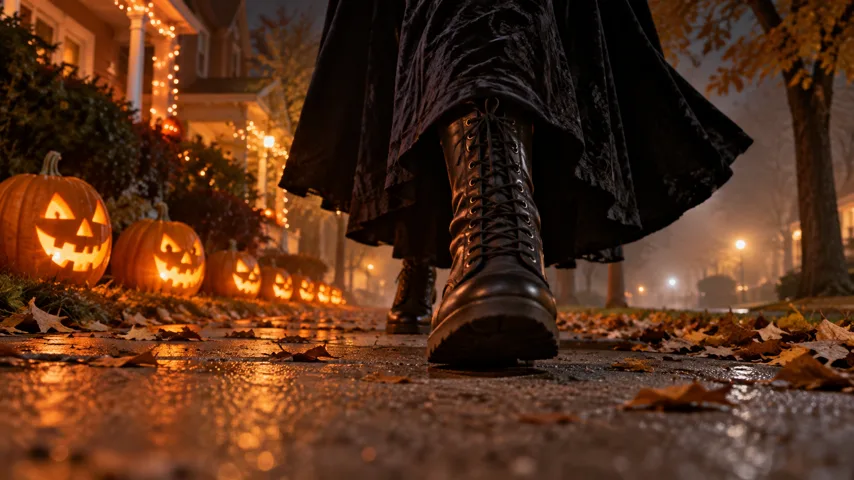
The format is simple and the same everywhere. Someone holds a phone low, at knee height or right on the ground, in front of the person walking. For the first seconds you only see feet, legs and whatever the costume does around them. Each step lands on the beat. When the vocal changes, the camera tilts up fast and the face appears, followed by a pose, a smile or a laugh into the lens.
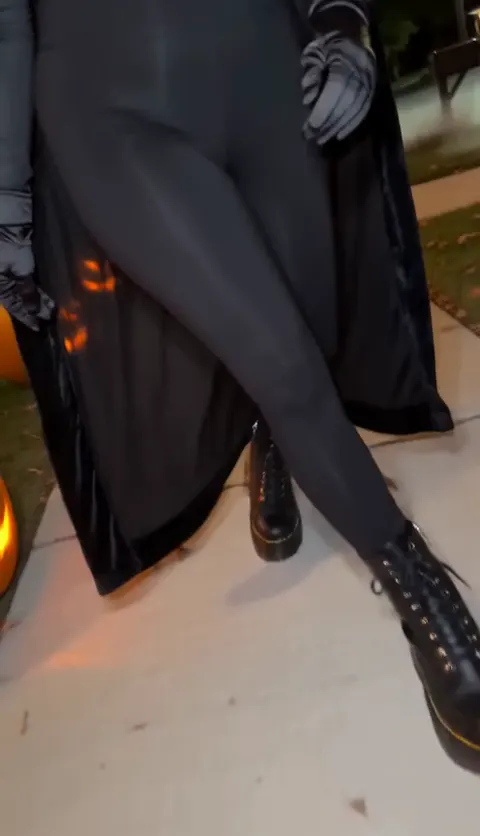
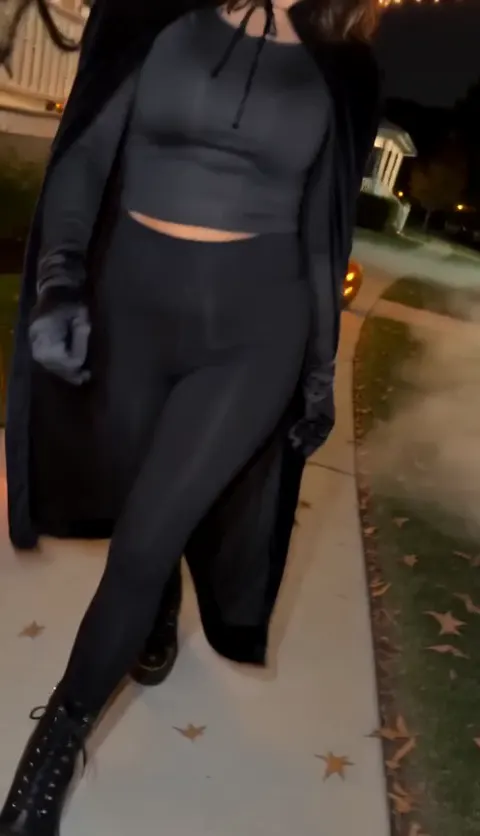
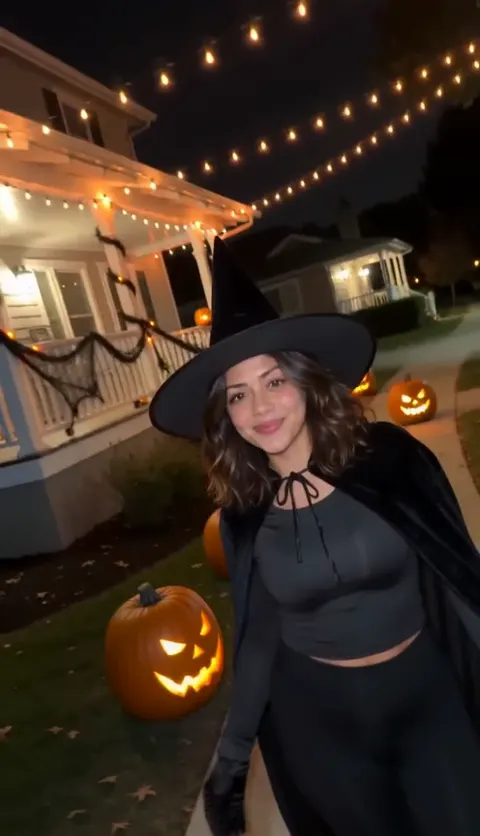
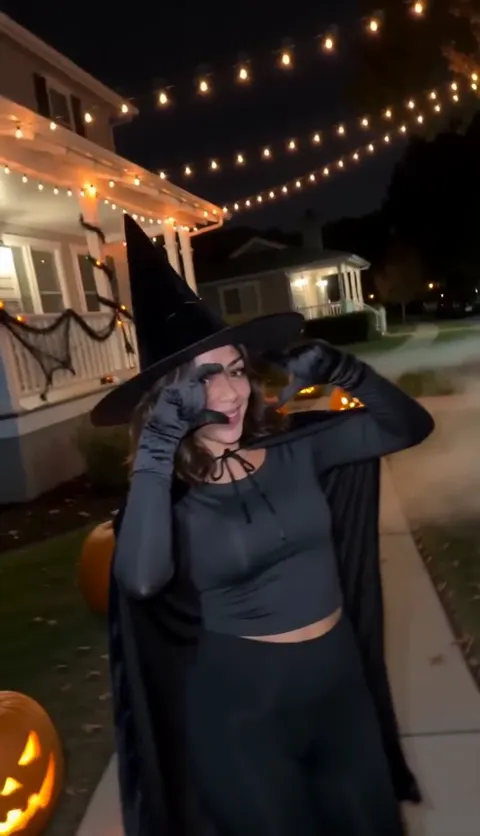
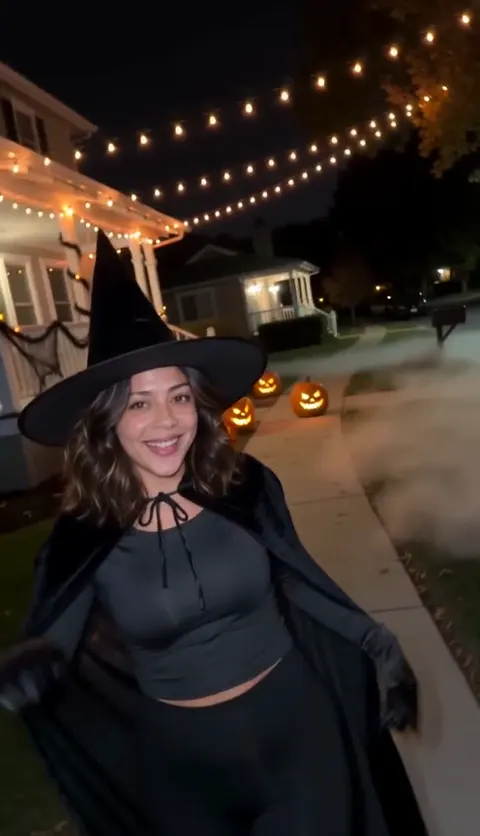
It’s one continuous take, with no talking and no on-screen text needed. The joke is the wait: a few seconds of boots, then a face nobody expected.
Why it turned spooky
A low camera and a slow, steady walk toward the lens already look a little eerie, like the start of a horror film. Add a beat that lurches more than it grooves, and a whisper before the reveal, and the format sits naturally next to Halloween. People started walking it in costumes, and the reveal became a way to show one off.
The Halloween versions
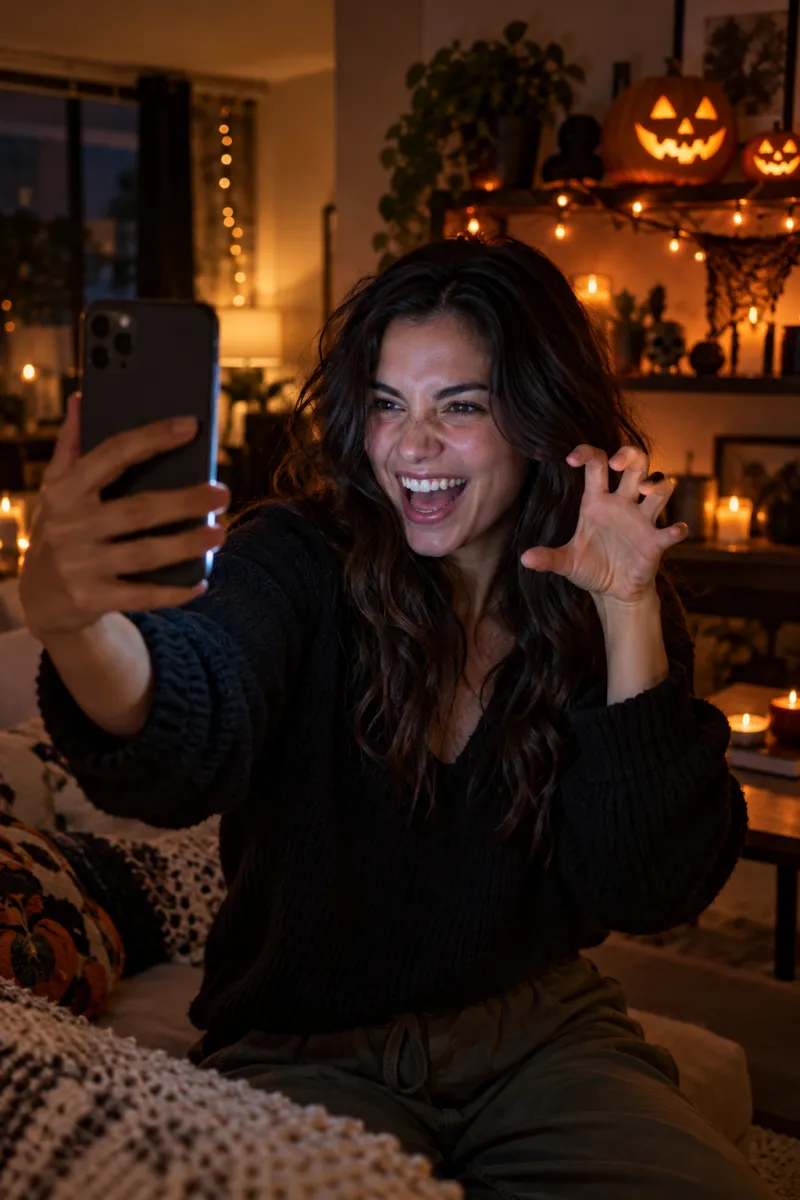
Around Halloween the costume walk became the main way the trend is posted. What the versions share:
- A costume with something that moves at ground level: a cloak, a long skirt, a cape, a tail, heavy boots.
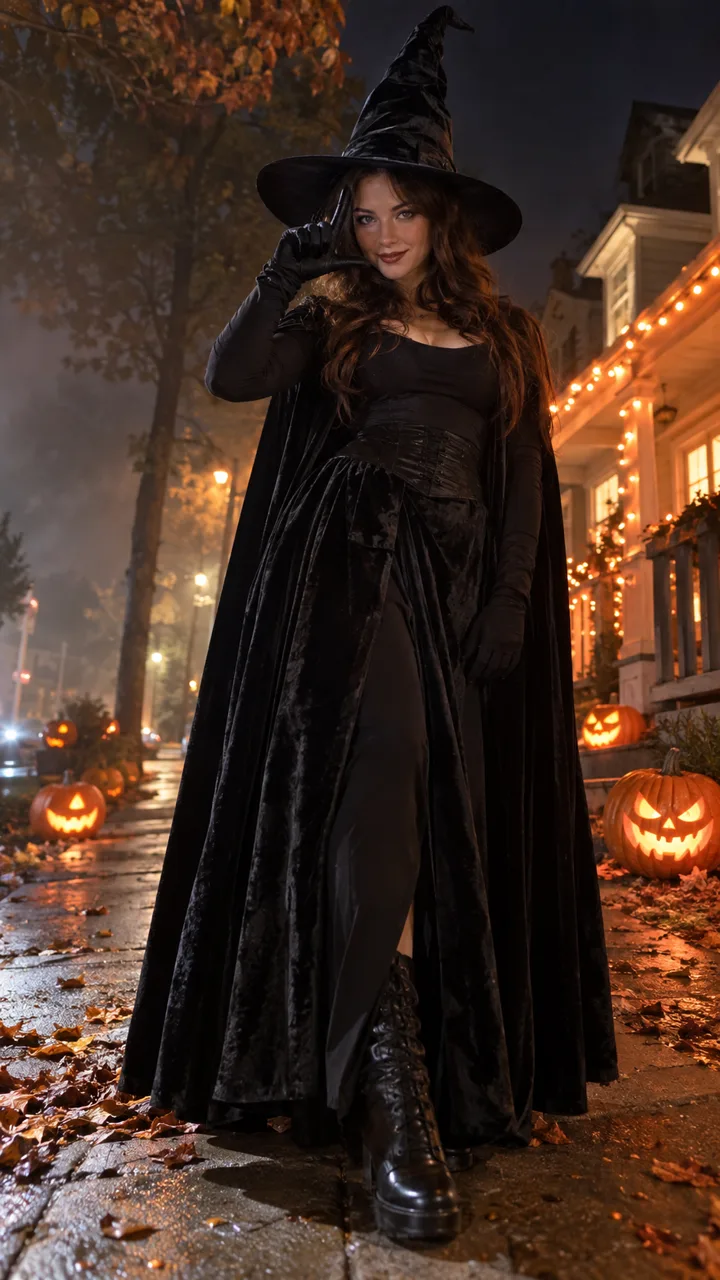
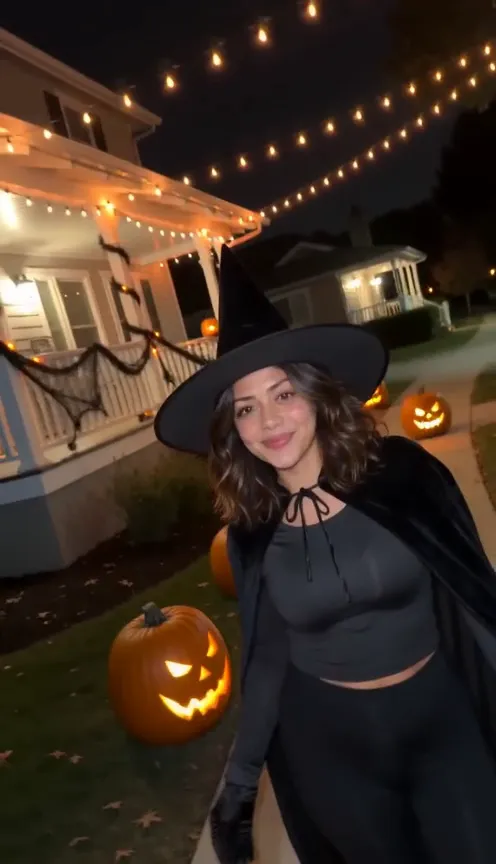
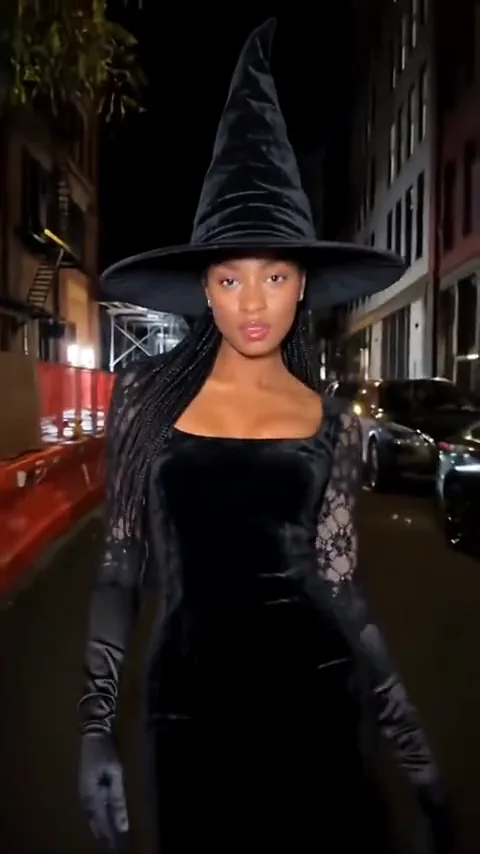
- Classic spooky looks such as witches and vampires, alongside full film-character costumes.
- Groups walking side by side, with each face revealed one after another, then everyone walking together.
- A street at night, porch lights or jack-o’-lanterns, which makes the low angle look even moodier.
Then came AI versions, like the Ramalama maker, for people who wanted the reveal without the costume, the street or a friend willing to lie on the pavement.
The AI version
On the Ramalama page one photo of your face becomes the full reveal: you as a witch in a long black velvet cloak, gloves, lace-up boots and a tall pointed hat, strutting down a street of glowing jack-o’-lanterns, the camera whipping up on the whisper. It’s 10 seconds, vertical, with the song and no watermark.
One Standard video uses 45 credits. The smallest pack that makes one is $12.90 for 90 credits (2 videos), a one-time buy whose credits never expire, and plans start at $19.90 a month for 270 credits. If a video fails, its credits come back.
Packs and plans are on the pricing page.
Want to do it yourself? The free guide has a shot plan, and the prompt guide has a copy-ready prompt for other costumes. To post it with the right sound, see how to add the Ramalama sound.
How people film it
Most versions are shot the same way, which is part of why the trend spread: anyone with a costume and a friend can do it.
- The person filming lies on the ground or crouches low, phone vertical, pointing up.
- The walker starts a few steps back and moves toward the lens one step per beat.
- When the vocal changes, the camera tilts up fast to the face.
- The walker finishes with a pose, a smile or a laugh, and the clip ends shortly after.
Every beat, with tips, is in how to do the Ramalama AI trend.
Why the format works
The format is built around a delay. Viewers see boots and a costume and start guessing who it is; the reveal answers the question at the moment the music changes. It suits a phone screen because the shot is vertical and close, and it suits any costume because the bottom half sets the scene while the top half delivers the punchline.
It is also easy to join: no choreography to learn, no lip-sync and no special gear, just a costume, a friend and a low phone.
Independent fan tool
NowStarring is an independent fan tool, not linked to Róisín Murphy or the makers of Ramalama (Bang Bang). The song belongs to its rights holders.
Domande frequenti
What song is the Ramalama trend?
Ramalama (Bang Bang) by Róisín Murphy, from her debut solo album Ruby Blue, made with producer Matthew Herbert.
Who sings Ramalama?
Róisín Murphy, the Irish singer first known as one half of Moloko.
What is the Ramalama walking trend?
A camera near the ground films only your legs as you step toward it on the beat, then tilts up to reveal your face and costume when the vocal changes.
Is Ramalama a Halloween song?
No, but its lurching beat and whispered moment suit a slow, eerie walk, so it became the go-to sound for Halloween costume reveals.
Why is the Ramalama trend scary?
The low camera, the slow steady steps toward the lens and the whisper before the reveal feel like a horror film opening, and most people do it in spooky costumes.
Where can I find the Ramalama lyrics?
In your streaming app’s lyrics view or a licensed lyrics site. The chorus is mostly chanted sound-words.
Do I need to dance for the Ramalama trend?
No. It’s a walk, not a dance: confident steps on the beat, then a pose or a laugh after the reveal.